Belancia vs Zoho Books: compare your business software options
Understand the operational scope, control and scalability to consider when evaluating a connected ERP platform against a standalone accounting tool.
Small teams already inside the Zoho ecosystem who mainly need invoicing and basic bookkeeping.
Businesses that need inventory, sales, purchasing, manufacturing or branches connected to accounting — not bolted on.
Low. Belancia's team handles data import and reconciliation as part of onboarding.
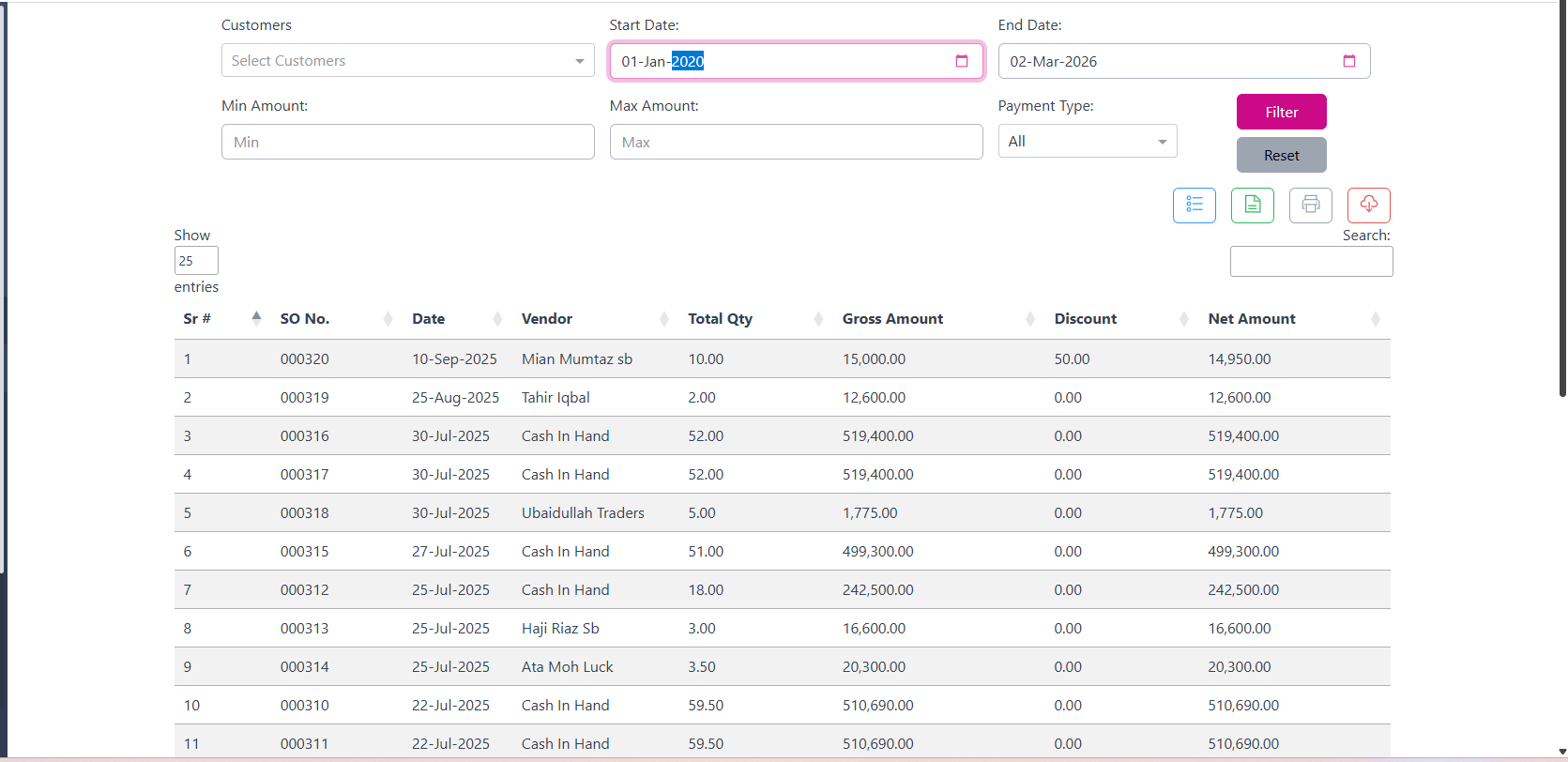
Zoho Books handles invoices. Belancia runs operations.
Inventory as a first-class module
Stock, purchasing and sales share one data model, rather than a bolt-on inventory add-on with its own limits.
No app-switching for daily operations
Quotes, orders, stock transfers and payments happen in one platform instead of jumping between Zoho apps.
Built for how Pakistani businesses operate
Local currency, tax handling, and support without relying on a global product roadmap.
Belancia vs Zoho Books at a glance
| Capability | Belancia | Zoho Books |
|---|---|---|
| Core accounting & invoicing | ||
| Native inventory management | ||
| Manufacturing / bill of materials | ||
| Multi-branch operations | ||
| Works without other Zoho apps | ||
| Role-based access control | ||
| Local onboarding & support |
= available only via a separate module or add-on
When Zoho Books stops being enough
Bolted-on inventory
Stock features feel like an add-on rather than a core part of the platform once volumes grow.
No manufacturing support
Businesses producing goods need bills of materials and production tracking Zoho Books doesn't offer.
Distant support
Local, responsive onboarding and support matter more as the system becomes core to daily operations.
Belancia vs Zoho Books FAQ
See Belancia handle what Zoho Books can't
Book a free walkthrough with your real inventory and sales data — no separate add-ons required.